Introduction
Tuberculosis (TB) is a serious infectious disease that primarily affects the lungs. It is caused by the bacterium *Mycobacterium tuberculosis*. While TB is a major global health challenge, it is completely curable with a consistent course of the right medications. GHCCD is a regional leader in both sensitive and drug-resistant TB management.
Symptoms
- Persistent cough (lasting more than 3 weeks)
- Coughing up blood or mucus
- Unexplained weight loss and loss of appetite
- Fever and night sweats
- Chest pain
Causes & Risk Factors
- Close contact with someone who has active TB
- Weakened immune system (HIV, Diabetes, Malnutrition)
- Tobacco and alcohol use
- Working or living in crowded environments
- Incomplete previous TB treatment (leading to MDR-TB)
Our Treatment Approach at GHCCD
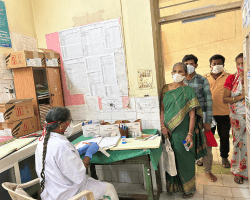
GHCCD serves as the core center for the National Tuberculosis Elimination Program (NTEP). We feature an Intermediate Reference Laboratory (IRL) for advanced culture and sensitivity testing. We provide DOTS (Directly Observed Treatment, Short-course) and specialized therapy for Multi-Drug Resistant (MDR-TB) in dedicated wards.
Our treatment is holistic; we provide not just free medications, but also nutritional counseling and support. Our specialists ensure strict adherence to treatment protocols to prevent drug resistance and ensure a complete cure for every patient.
When to Visit GHCCD
If you have a cough that has lasted more than three weeks, or if you have unexplained weight loss and night sweats, visit our TB screening center immediately.
FAQ
Q: Is MDR-TB treatment free at GHCCD? A: Yes, all TB treatments, including expensive medications for MDR-TB and XDR-TB, are provided entirely free of cost at GHCCD.
Patient informationMore about this service
Pulmonary Tuberculosis
Pulmonary Tuberculosis
Pulmonary Tuberculosis (TB) is a contagious bacterial infection primarily affecting the lungs, caused by Mycobacterium tuberculosis. This airborne disease spreads when an infected person coughs or sneezes, releasing bacteria into the air, which can then be inhaled by others. Pulmonary TB is characterized by a persistent cough lasting more than three weeks, often producing bloody or sputum, chest pain, fatigue, fever, night sweats, and unexplained weight loss. While TB can affect other parts of the body, pulmonary TB is the most common and is particularly concerning due to its potential to spread to others. Without treatment, TB can cause significant lung damage and can be fatal.
Treatment for Pulmonary Tuberculosis
Treatment for Pulmonary Tuberculosis involves a prolonged course of antibiotics, typically lasting six to nine months. The standard treatment regimen includes a combination of first-line anti-TB medications such as isoniazid, rifampicin, pyrazinamide, and ethambutol. Adherence to the full course of treatment is crucial to cure the infection, prevent the development of drug-resistant TB, and reduce the risk of spreading the disease to others. In cases of multidrug-resistant TB (MDR-TB), where the bacteria are resistant to first-line drugs, treatment is longer and involves second-line medications, which may have more side effects. Directly observed therapy (DOT) is often recommended to ensure patients take their medication correctly. Alongside medication, supportive care, good nutrition, and monitoring for side effects are essential components of successful treatment. Public health measures, including screening and vaccination with the Bacillus Calmette-Guérin (BCG) vaccine in some countries, are critical in preventing the spread of TB.