Introduction
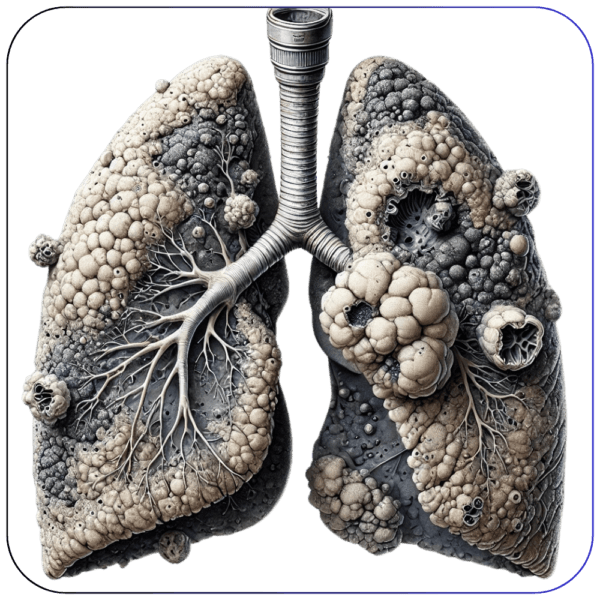
Occupational lung diseases are caused by inhaling harmful dusts, chemicals, or proteins in the workplace. Over time, these substances cause inflammation and scarring of the lung tissue. Common types include Silicosis (from silica dust), Asbestosis (from asbestos), and Coal Workers' Pneumoconiosis (Black Lung).
Symptoms
- Chronic cough
- Shortness of breath
- Chest tightness
- Rapid breathing
- Frequent chest infections
Causes & Risk Factors
- Working in mining, quarrying, or stone cutting (Silica)
- Construction or ship-breaking industries (Asbestos)
- Coal mining (Coal dust)
- Textile or grain handling industries
- Exposure to chemical fumes or vapors
Our Treatment Approach at GHCCD
GHCCD is the designated tertiary center for occupational lung diseases in the region. We provide expert clinical evaluation supported by HRCT imaging and specialized Pulmonary Function Testing. Our team is trained to identify the characteristic patterns of occupational scarring.
Since these diseases cannot be reversed, our focus is on symptom management and preventing further damage. We provide smoking cessation support, vaccinations to prevent secondary infections, and oxygen therapy for advanced cases. We also assist patients in documenting their condition for workplace-related health reports.
When to Visit GHCCD
If you have worked in a high-dust industry and notice a persistent cough or breathlessness, even years after leaving the job, visit GHCCD for a specialized evaluation.
FAQ
Q: Is there a cure for occupational lung diseases like Silicosis at GHCCD? A: While there is no cure for existing lung scarring, our specialists at GHCCD can provide treatments that significantly improve quality of life and slow further damage.
Patient informationMore about this service
Occupational Lung Diseases
Detail about our service
Occupational Lung Diseases
Occupational lung diseases are a group of respiratory conditions caused by exposure to harmful substances or environments in the workplace. These diseases develop over time due to inhalation of dust, chemicals, fumes, or other toxic substances. Common occupational lung diseases include asbestosis (caused by asbestos exposure), silicosis (caused by inhaling silica dust), coal workers’ pneumoconiosis (commonly known as black lung disease), and occupational asthma, which is triggered by allergens or irritants in the workplace. Symptoms can vary depending on the specific disease but often include chronic cough, shortness of breath, wheezing, and chest tightness. These conditions can lead to progressive lung damage, reduced lung function, and increased risk of lung cancer or respiratory failure if not properly managed.
Treatment for Occupational Lung Diseases
Treatment for occupational lung diseases primarily focuses on preventing further exposure to the harmful substance and managing symptoms to improve quality of life. Early detection and removal from the hazardous environment are crucial to slowing disease progression. Treatment options may include bronchodilators to help open the airways, corticosteroids to reduce inflammation, and oxygen therapy for those with severe lung damage. Pulmonary rehabilitation, which involves exercise training, breathing exercises, and education, can help improve lung function and overall well-being. In some cases, specific treatments may be required, such as chelation therapy for heavy metal poisoning or antifibrotic medications to slow the progression of diseases like asbestosis. Prevention strategies, including the use of protective equipment, proper ventilation, and adherence to safety regulations in the workplace, are essential to reducing the risk of occupational lung diseases.