Introduction
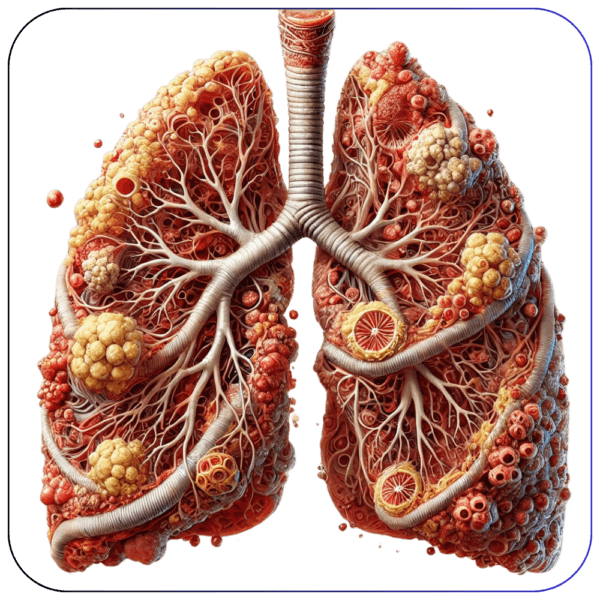
COPD is a group of progressive lung diseases, including emphysema and chronic bronchitis, that make it increasingly difficult to breathe. It is a long-term condition where the airways become damaged and lose their elasticity, leading to "trapped air" and reduced oxygen exchange.
Symptoms
- Increasing shortness of breath (especially during activity)
- Chronic, productive cough
- Frequent chest infections
- Persistent wheezing
- Tightness in the chest
Causes & Risk Factors
- Tobacco smoking (including beedi and cigarette)
- Long-term exposure to indoor air pollution (cooking with biomass/chulhas)
- Occupational dust and chemicals
- Alpha-1 antitrypsin deficiency (a rare genetic factor)
- History of severe childhood lung infections
Our Treatment Approach at GHCCD
GHCCD is the regional center for COPD excellence. We offer comprehensive Spirometry and DLCO testing to accurately stage the disease. Our treatment includes personalized inhaled therapy (bronchodilators and steroids) provided free of cost. We also specialize in Pulmonary Rehabilitation, a supervised program of exercise and education to help patients stay active.
For patients with advanced COPD, we coordinate Long-Term Oxygen Therapy (LTOT). Our status as a postgraduate teaching institute ensures that our patients receive evidence-based care following the latest GOLD (Global Initiative for Chronic Obstructive Lung Disease) guidelines.
When to Visit GHCCD
If you feel breathless during routine activities like walking or climbing stairs, or if you have a "smoker's cough" that won't go away, visit our outpatient department.
FAQ
Q: Is there free treatment for COPD at GHCCD? A: Yes, from diagnosis through PFT to long-term medications and rehabilitation, all COPD services are provided free by the Government of Andhra Pradesh.
Patient informationMore about this service
Chronic Obstructive Pulmonary Disease (COPD)
Detail about our service
Chronic Obstructive Pulmonary Disease (COPD)
Chronic Obstructive Pulmonary Disease (COPD) is a progressive lung disease characterized by persistent respiratory symptoms and airflow limitation. It primarily includes chronic bronchitis and emphysema, two conditions that often coexist. COPD is most commonly caused by long-term exposure to harmful substances, particularly cigarette smoke, but can also result from exposure to air pollutants, occupational dust and chemicals, or genetic factors such as alpha-1 antitrypsin deficiency. The disease leads to the narrowing of airways and destruction of lung tissue, causing symptoms such as chronic cough, mucus production, shortness of breath, wheezing, and fatigue. As COPD progresses, it can significantly impair a person’s ability to perform daily activities and reduces their quality of life.
Treatment for Chronic Obstructive Pulmonary Disease
Treatment for COPD focuses on relieving symptoms, improving lung function, and slowing the progression of the disease. Smoking cessation is the most critical intervention for those who smoke, as it can significantly slow disease progression. Pharmacological treatments include bronchodilators, which help to relax and open the airways, and inhaled corticosteroids, which reduce inflammation. In some cases, combination inhalers are used to provide both bronchodilation and anti-inflammatory effects. Long-term oxygen therapy may be necessary for patients with severe COPD to maintain adequate blood oxygen levels. Pulmonary rehabilitation, which includes exercise training, nutritional counseling, and education, is also an essential part of managing COPD, helping patients improve their physical condition and quality of life. Additionally, vaccinations to prevent respiratory infections, such as influenza and pneumonia, are crucial, as these infections can exacerbate COPD symptoms.