Introduction
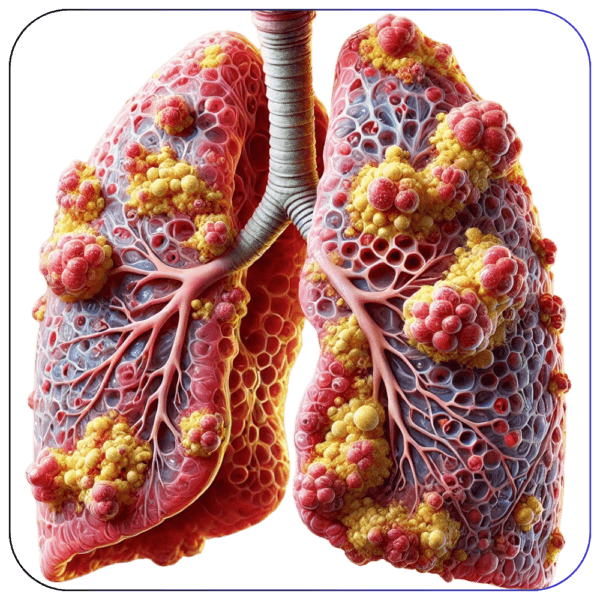
Pneumonia is an infection that inflames the air sacs in one or both lungs. The air sacs may fill with fluid or pus, causing cough with phlegm, fever, chills, and difficulty breathing. It can range from mild to life-threatening and is particularly serious for the elderly and those with chronic health conditions.
Symptoms
- Chest pain when you breathe or cough
- Cough with phlegm
- Fatigue and fever
- Sweating and shaking chills
- Shortness of breath
Causes & Risk Factors
- Bacteria (most common cause)
- Viruses (including the flu and COVID-19)
- Fungi (in people with weakened immune systems)
- Smoking and chronic lung diseases (COPD, Asthma)
- Hospitalization or being on a ventilator
Our Treatment Approach at GHCCD
At GHCCD, we provide rapid-response treatment for pneumonia. Our Microbiology Lab and Radiology Wing work together to quickly identify the type of pneumonia (bacterial vs viral) through sputum analysis and chest X-rays. We provide targeted intravenous antibiotics and supportive therapies for severe cases.
Our Respiratory ICU (RICU) is available for patients requiring high-flow oxygen or mechanical ventilation. We focus on comprehensive recovery, including respiratory therapy and follow-up care to ensure the infection has completely cleared.
When to Visit GHCCD
Consult us if you have a high fever and a persistent cough with colored phlegm. Seek emergency care if you have difficulty breathing or chest pain.
FAQ
Q: Is pneumonia treatment free for all ages at GHCCD? A: Yes, GHCCD provides free pneumonia treatment for adults and pediatric patients, including all diagnostic tests and hospital stays.
Patient informationMore about this service
Pneumonia
Pneumonia
Pneumonia is an infection of the lungs that causes inflammation in the air sacs (alveoli), leading them to fill with fluid or pus. This condition can be caused by a variety of pathogens, including bacteria, viruses, and fungi. The most common bacterial cause is Streptococcus pneumoniae*, but other bacteria and viruses like influenza, respiratory syncytial virus (RSV), and SARS-CoV-2 (the virus responsible for COVID-19) can also lead to pneumonia. Symptoms of pneumonia often include cough (which may produce phlegm), fever, chills, shortness of breath, chest pain, and fatigue. Pneumonia can range in severity from mild to life-threatening, particularly for vulnerable populations such as the elderly, infants, and individuals with compromised immune systems or chronic health conditions.
Treatment for Pneumonia
Treatment for pneumonia depends on the cause and severity of the infection. For bacterial pneumonia, antibiotics are the primary treatment, and the choice of antibiotic is based on the specific bacteria involved and the patient’s overall health. Viral pneumonia typically does not respond to antibiotics and is treated with antiviral medications (if available) and supportive care, such as rest, fluids, and over-the-counter medications to manage fever and pain. In severe cases, especially when pneumonia leads to difficulty breathing, hospitalization may be required to provide oxygen therapy or mechanical ventilation. Vaccination is an important preventive measure, with vaccines available for common causes of pneumonia, such as *Streptococcus pneumoniae* and influenza, reducing the risk of infection and its complications. Regular monitoring and follow-up are essential to ensure recovery and to prevent complications such as pleurisy or lung abscesses.