Introduction
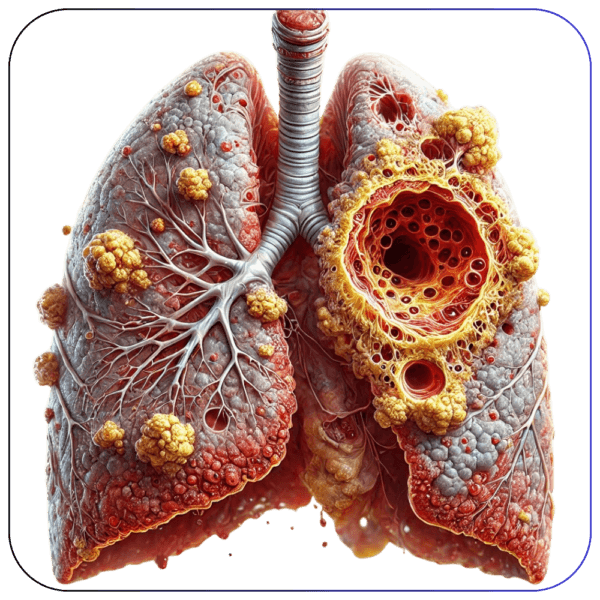
A lung abscess is a localized collection of pus within the lung tissue, usually caused by a bacterial infection. It leads to the destruction of lung tissue and the formation of a cavity. It is a serious condition that requires prolonged and intensive medical attention.
Symptoms
- Fever and chills
- Coughing up foul-smelling mucus (sputum)
- Night sweats
- Weight loss and loss of appetite
- Chest pain that worsens with deep breathing
Causes & Risk Factors
- Aspiration (inhaling food, saliva, or stomach acid into the lungs)
- Severe pneumonia
- Periodontal (gum) disease or poor oral hygiene
- Weakened immune system (HIV, diabetes)
- Alcohol or drug abuse (which can lead to aspiration)
Our Treatment Approach at GHCCD
At GHCCD, we treat lung abscess with a combination of high-dose intravenous antibiotics and specialized drainage. Our Microbiology Lab performs cultures of the sputum to identify the specific bacteria and ensure the most effective antibiotic is used.
For complex cases where antibiotics alone are not enough, our interventional team performs Bronchoscopy to clear obstructions or help with drainage. We also utilize Chest Physiotherapy and postural drainage techniques to help patients clear infected material from the lungs naturally.
When to Visit GHCCD
If you have a high fever accompanied by a cough that produces foul-smelling or blood-tinged sputum, seek immediate care at our hospital.
FAQ
Q: How long does it take to treat a lung abscess at GHCCD? A: Treatment typically requires 3 to 6 weeks of antibiotic therapy, which we provide entirely for free, including any necessary hospital stay.
Patient informationMore about this service
Lung Abscess
Detail about our service
Lung Abscess
Lung abscess is a localized collection of pus within the lung tissue, typically caused by a bacterial infection. This condition usually occurs when the body’s defenses are compromised, leading to the development of an infection that the body is unable to clear. Common causes include aspiration of oral or gastric contents (often in individuals with impaired swallowing or consciousness), severe pneumonia, or complications from conditions like bronchial obstruction or sepsis. The abscess forms as a cavity filled with pus, which can lead to symptoms such as a persistent cough with foul-smelling sputum, fever, chest pain, night sweats, and fatigue. If not treated promptly, lung abscesses can cause significant damage to lung tissue and may lead to severe complications, including the spread of infection to other parts of the body.
Treatment for Lung Abscess
Treatment for lung abscess typically involves prolonged antibiotic therapy, which is essential for eradicating the infection and preventing recurrence. The choice of antibiotics is guided by the suspected causative organisms and may be adjusted based on culture results. Treatment often requires several weeks to ensure complete resolution of the abscess. In cases where the abscess is large, not responding to antibiotics, or causing significant symptoms, additional interventions such as percutaneous drainage (inserting a needle or catheter into the abscess to drain the pus) or surgical removal may be necessary. Supportive care, including ensuring proper hydration, nutrition, and management of any underlying conditions, is also important for recovery. Regular monitoring with imaging studies is often required to track the progress of treatment and confirm the resolution of the abscess.