Introduction
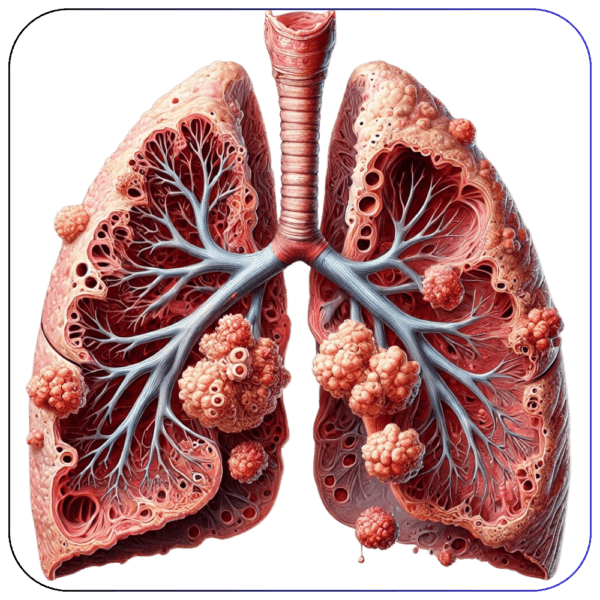
Bronchiectasis is a chronic condition where the bronchial tubes (airways) in your lungs become permanently widened and damaged. This damage makes it difficult for your lungs to clear out mucus, leading to repeated lung infections and scarring over time.
Symptoms
- Daily cough that produces large amounts of mucus
- Shortness of breath
- Chest pain
- Wheezing
- Coughing up blood (hemoptysis)
- Recurring lung infections
Causes & Risk Factors
- Severe past infections (like childhood pneumonia or whooping cough)
- Cystic fibrosis or primary ciliary dyskinesia
- Immunodeficiency disorders
- Allergic bronchopulmonary aspergillosis (ABPA)
- Aspiration of foreign objects or stomach acid
Our Treatment Approach at GHCCD
At GHCCD, our primary goal for bronchiectasis is to prevent infections and clear the airways. We utilize High-Resolution CT (HRCT) scans for precise diagnosis and mapping of the lung damage. Our treatment includes a strong focus on Chest Physiotherapy, teaching patients specialized techniques like "huff coughing" and postural drainage to clear mucus.
We provide free access to long-term antibiotics (to treat or prevent infections) and bronchodilators. In cases where bronchiectasis leads to coughing up blood, our advanced Interventional Pulmonology team is equipped to manage complications and provide tertiary care interventions.
When to Visit GHCCD
Seek a consultation if you find yourself coughing up large amounts of foul-smelling mucus daily or if you have frequent bouts of pneumonia.
FAQ
Q: How does GHCCD help with clearing mucus in bronchiectasis? A: Our physiotherapists provide hands-on training for airway clearance techniques and we provide free nebulization services to help loosen thick mucus.
Patient informationMore about this service
Bronchiectasis
Detail about our service
Bronchiectasis
Bronchiectasis is a chronic lung condition characterized by the permanent dilation and damage of the bronchi, the large airways in the lungs. This abnormal widening leads to impaired clearance of mucus, creating an environment where bacteria can thrive and cause recurrent respiratory infections. Over time, repeated infections and the resulting inflammation cause further damage to the airways, leading to a cycle of infection and airway injury. Symptoms of bronchiectasis often include a persistent cough, production of large amounts of sputum, shortness of breath, wheezing, and recurrent chest infections. The condition can result from a variety of underlying causes, including severe lung infections (like tuberculosis or pneumonia), genetic conditions (such as cystic fibrosis), or immune system disorders. In many cases, however, the exact cause remains unknown.
Treatment for Bronchiectasis
Treatment for Bronchiectasis focuses on managing symptoms, preventing infections, and slowing the progression of the disease. Airway clearance techniques, such as chest physiotherapy and the use of devices to help loosen and clear mucus, are crucial components of treatment. Inhaled bronchodilators and corticosteroids may be prescribed to help open the airways and reduce inflammation. Antibiotics are often used to treat acute infections and may be taken on a long-term basis to prevent recurrent infections. In some cases, mucolytics may be used to thin mucus and make it easier to expel. For patients with severe disease, oxygen therapy or even surgery to remove severely damaged areas of the lung may be necessary. Pulmonary rehabilitation, including exercise training and breathing techniques, can also help improve lung function and quality of life. Regular monitoring and a personalized treatment plan are essential for managing this complex condition effectively.