Introduction
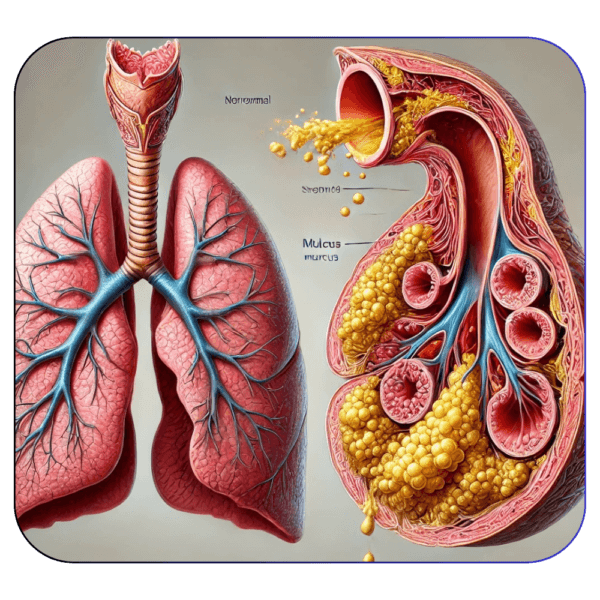
Bronchial asthma is a chronic condition where the airways in your lungs become inflamed and narrow, making it difficult to breathe. It often causes periodic "attacks" of wheezing, chest tightness, and coughing, which can vary in severity.
Symptoms
- Wheezing (a whistling sound when breathing)
- Shortness of breath
- Chest tightness or pain
- Chronic coughing, especially at night or early morning
- Difficulty sleeping due to breathing issues
Causes & Risk Factors
- Family history of asthma or allergies
- Exposure to environmental allergens (pollen, dust mites, pet dander)
- Air pollution and smoke
- Occupational triggers (chemicals, dust)
- Frequent respiratory infections during childhood
Our Treatment Approach at GHCCD
GHCCD offers a dedicated Asthma & Allergy Specialty Clinic where we focus on long-term control rather than just treating attacks. Our diagnosis begins with a Pulmonary Function Test (PFT) to assess the severity of airway obstruction. We provide patients with personalized "Asthma Action Plans," educating them on the correct use of inhalers and nebulizers.
Our pharmacy provides essential bronchodilators and corticosteroid inhalers free of cost. For severe, acute asthma attacks, our Respiratory ICU provides advanced nebulization therapy and monitoring to ensure rapid recovery.
When to Visit GHCCD
Visit our outpatient department if you have a persistent cough or frequent wheezing. Seek emergency care at GHCCD if your rescue inhaler doesn't help or if you are struggling to speak due to shortness of breath.
FAQ
Q: Does GHCCD provide free inhalers for asthma? A: Yes, GHCCD provides prescribed asthma medications, including inhalers and nebulization medicines, free of cost to all registered patients.
Patient informationMore about this service
Bronchial Asthma
Detail about our service
Bronchial Asthma
Bronchial Asthma is a chronic respiratory condition characterized by inflammation and narrowing of the airways, leading to difficulty in breathing. This condition often presents with symptoms such as wheezing, shortness of breath, chest tightness, and coughing, which can vary in intensity and frequency. Asthma is typically triggered by a variety of factors, including allergens (such as pollen, dust mites, or pet dander), respiratory infections, physical exertion, cold air, and stress. The inflammation in the airways causes them to become overly sensitive and reactive, leading to bronchospasm (tightening of the muscles around the airways), which further restricts airflow. Asthma can affect individuals of all ages, though it often begins in childhood, and its severity can range from mild to life-threatening.
Treatment for Bronchial Asthma
Treatment for Bronchial Asthma is centered around controlling symptoms, preventing flare-ups, and improving overall lung function. This involves a combination of long-term control medications and quick-relief (rescue) inhalers. Long-term control medications, such as inhaled corticosteroids, leukotriene modifiers, and long-acting beta-agonists, help reduce airway inflammation and prevent asthma attacks. Quick-relief inhalers, typically containing short-acting beta-agonists like albuterol, are used to relieve acute symptoms by relaxing the muscles around the airways. For patients with severe asthma, additional treatments like biologic therapies, which target specific molecules involved in the inflammatory process, may be prescribed. Managing asthma also involves identifying and avoiding triggers, regular monitoring of lung function, and creating an asthma action plan with a healthcare provider to manage symptoms effectively.
Eye Care
- Bronchial Asthma
Department Address
Box 3233 1810 Kings Way King Street, 5th Avenue, New York
+1-2345-3455-33
contact@mediztheme.co
Department Hours
Monday - Friday08:00 - 20:00
Saturday09:00 - 14:00
SundayClose
Download PDF File